
Wadley Flower Planting Services
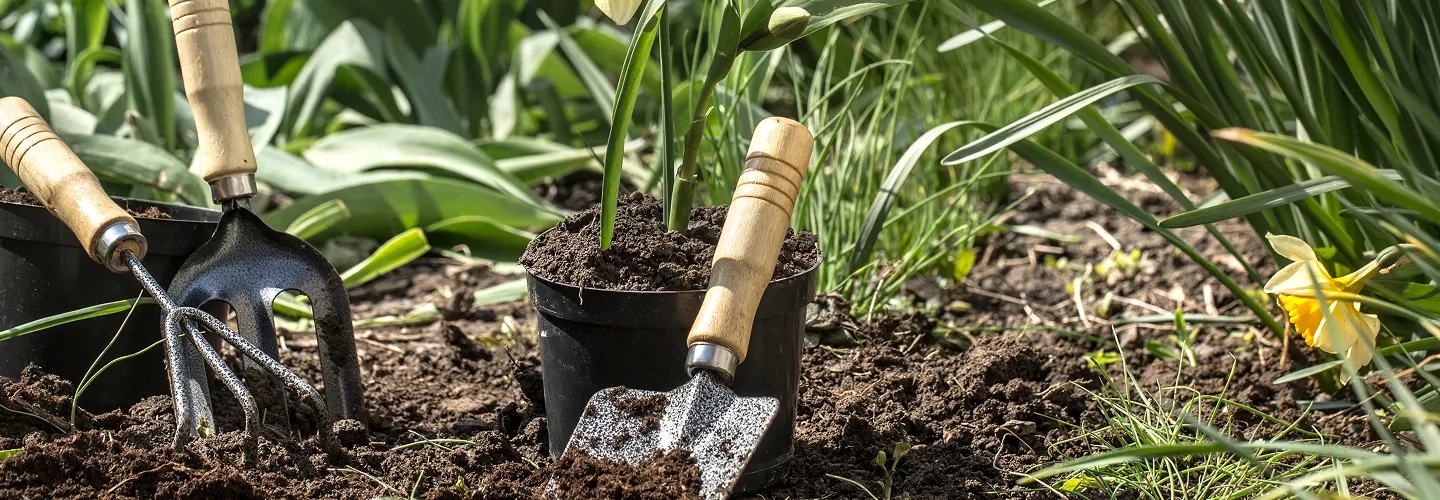
Choose Wadley for vibrant, expertly arranged flower beds that boost curb appeal and bring lasting beauty to your outdoor spaces. Our skilled team selects the perfect blooms for your soil and climate, ensuring a stunning garden that thrives season after season.
Get a Free QuoteOur Wadley Landscaping & Yard Care Services
When to Schedule Flower Planting in Wadley, Georgia – Seasonal Guide
In Wadley, Georgia, timing your flower planting is crucial for vibrant, long-lasting blooms. The region’s humid subtropical climate means that spring and early fall are generally the best seasons for planting, as temperatures are moderate and rainfall is more predictable. Local neighborhoods like Pine Hill and areas near Wadley City Park often experience late frosts, so it’s wise to wait until after the average last frost date in late March before planting tender annuals. For perennials, early fall is ideal, allowing roots to establish before the heat of summer.
Wadley’s landscape features a mix of sandy and loamy soils, with some areas prone to drought during midsummer. Shade coverage from mature oaks in neighborhoods like Magnolia Avenue can also affect which flowers thrive and when to plant them. Always consider local environmental factors, such as soil drainage and municipal watering restrictions, which you can review on the Sudbury municipal site, to ensure your planting schedule aligns with the best practices for our area.
Local Factors to Consider for Flower Planting in Wadley
- Proximity to mature trees and resulting shade coverage
- Soil type and drainage (sandy vs. loamy soils)
- Average last frost date (late March)
- Summer drought risk and humidity levels
- Terrain variations (flat yards vs. sloped lots)
- Precipitation patterns and irrigation needs
- Municipal restrictions on watering or planting
Benefits of Flower Planting in Wadley
Expert Landscaping Services
Customized Garden Designs
Seasonal Plant Selection
Enhanced Curb Appeal
Eco-Friendly Practices
Reliable Local Team

Wadley Flower Planting Types

Perennial Flower Beds
-
Annual Flower Displays
-
Native Wildflower Gardens
-
Seasonal Bulb Planting
-
Pollinator-Friendly Plantings
-
Shade Garden Flowers
-
Drought-Tolerant Flower Beds
Our Flower Planting Process
Site Evaluation
Soil Preparation
Plant Selection
Careful Planting
Watering and Mulching
Why Choose Wadley Landscape Services
-
Wadley Homeowners Trust Us
-
Expert Lawn Maintenance
-
Reliable Scheduling
-
Competitive Pricing
-
Professional Team
-
Satisfaction Guarantee
-
Personalized Service
Wadley's Sandy Coastal Plain Soils and Their Impact on Flower Bed Preparation
Wadley is situated in Jefferson County within Georgia's upper Coastal Plain region, where soils are predominantly sandy loams from the Tifton, Norfolk, and Orangeburg soil series. These soils, mapped through the USDA Web Soil Survey, are characteristically well-drained to excessively drained, acidic (typically pH 4.8–5.8), and low in organic matter. For flower planting, these conditions present specific challenges that must be addressed before installation:
- Nutrient leaching: Sandy soils allow water and dissolved fertilizers to pass quickly beyond root zones, requiring slow-release amendments and organic matter incorporation.
- Low moisture retention: Beds should be amended with 3–4 inches of composted material tilled to a depth of 8–10 inches to improve water-holding capacity.
- Acidic pH correction: Many flowering annuals and perennials perform best in a pH range of 6.0–6.5. Lime applications should be guided by a soil test through the UGA Cooperative Extension Jefferson County office.
- Organic matter deficiency: Native sandy soils often contain less than 1% organic matter; incorporating aged compost or pine bark fines raises this to a functional 3–5% range.
Property owners should obtain a soil test before any significant flower planting project to determine exact lime and nutrient requirements for their specific lot conditions.
Optimal Flower Planting Windows for Wadley's USDA Zone 8b Climate
Wadley falls within USDA Hardiness Zone 8b, with average annual minimum temperatures between 15°F and 20°F. The city's long growing season—typically 230 or more frost-free days—provides extended planting opportunities, but timing remains critical for establishment success. The National Weather Service data for the region indicates the average last spring frost occurs in mid-March and the first fall frost arrives in mid-November. Recommended planting windows include:
- Cool-season annuals (pansies, violas, snapdragons, dianthus): Install from late October through early December for winter and early spring color, and again in February through early March.
- Warm-season annuals (zinnias, lantana, pentas, vinca): Plant after the last frost date, typically mid-March through May, when soil temperatures consistently exceed 65°F.
- Perennials (coneflower, daylily, salvia, black-eyed Susan): Best planted in early spring (March–April) or early fall (September–October) to allow root establishment before temperature extremes.
- Summer bulbs (caladium, gladiolus, canna): Install after soil temperatures reach 65°F, generally late March through April in Wadley.
Avoid planting warm-season flowers before soil has adequately warmed, as cold soil inhibits root development and increases transplant mortality in Wadley's sandy substrates.
Protecting Wadley's Drainage Ditches and Stormwater Flow During Bed Installation
Wadley's municipal infrastructure relies on a network of roadside drainage ditches and stormwater conveyances maintained through the city's Streets and Lanes department. Flower bed installation—particularly projects involving soil amendment, grading, or mulching—can introduce sediment, organic debris, and fertilizer runoff into these systems if proper precautions are not observed. The Georgia EPD Watershed Protection Branch oversees water quality standards that apply to sediment and nutrient discharge statewide, and property owners should take the following steps to remain compliant:
- Stockpile soil amendments and mulch away from ditch lines, swales, and low-lying drainage paths.
- Install temporary silt barriers (straw wattles or silt fence) between new planting beds and adjacent drainage features when beds are located within 25 feet of a conveyance.
- Apply mulch at 2–3 inches maximum depth and avoid piling mulch where stormwater could carry it into ditches or street gutters.
- Use slow-release or organic fertilizers to minimize nutrient runoff into local waterways.
- Time bed preparation and planting to avoid periods of heavy rainfall; Wadley receives approximately 46–48 inches of annual precipitation, with peak rainfall typically occurring in summer months.
Residents with properties adjacent to municipal drainage infrastructure should verify current right-of-way boundaries and maintenance responsibilities with the city before modifying landscaping near ditch lines.
Wadley Streets and Lanes
Official Website: Wadley Streets and Lanes
How Wadley's Code Enforcement Standards Affect Frontage Flower Beds and Property Appearance
The City of Wadley maintains property appearance standards enforced through its Code Enforcement office. While flower planting is generally encouraged as a means of improving curb appeal and property maintenance, residents should be aware that certain installations may intersect with local ordinance requirements. Overgrown or unmaintained flower beds, encroachment into public rights-of-way, and plantings that obstruct sidewalk or roadway sightlines may trigger code enforcement review. Key considerations include:
- Right-of-way clearance: Flower beds installed near street frontage must not obstruct pedestrian pathways, fire hydrant access, or utility meter visibility.
- Sightline compliance: Corner lot plantings should remain below 30 inches in height within sight triangles at intersections to maintain driver visibility—verify current local requirements with the city.
- Property maintenance: Abandoned or neglected flower beds with excessive weed growth may be subject to nuisance vegetation enforcement under local ordinances.
- Mulch and debris containment: Excess soil, mulch, or planting debris must not be deposited on public streets, sidewalks, or neighboring properties.
Property owners planning flower bed installations along frontage areas or near public infrastructure should confirm current setback and clearance requirements with Wadley's Code Enforcement office. Jefferson County Code Enforcement may also apply to properties outside incorporated city limits within the broader county jurisdiction.
Wadley Code Enforcement
Official Website: Wadley Code Enforcement
Selecting Heat-Tolerant and Drought-Resistant Flowers for Wadley's Long Summer Season
Wadley's summers are characterized by sustained high temperatures frequently exceeding 90°F from June through September, combined with high humidity and periodic drought intervals between summer thunderstorms. Flower selections must account for these conditions, particularly in full-sun exposures common on Wadley's open residential lots. The UGA Cooperative Extension recommends the following species categories for reliable performance in Zone 8b upper Coastal Plain conditions:
- Full-sun annuals: Lantana, vinca (Catharanthus roseus), pentas, zinnia, portulaca, and angelonia tolerate sustained heat and recover well from brief dry periods.
- Drought-tolerant perennials: Coneflower (Echinacea), black-eyed Susan (Rudbeckia), daylily (Hemerocallis), and salvia greggii establish deep root systems in Wadley's sandy soils and require minimal supplemental irrigation once established.
- Shade-tolerant options: For properties with mature pine or hardwood canopy, impatiens (for sheltered locations), caladium, and coleus provide color without full-sun exposure.
- Native pollinator plants: Bee balm, coreopsis, and butterfly weed support local pollinator populations and are well-adapted to Jefferson County's native soil conditions.
Residents should avoid species requiring consistently moist, cool conditions, as Wadley's sandy soils and summer heat create rapid drying cycles. Applying 2–3 inches of pine straw or shredded hardwood mulch around plantings significantly reduces soil temperature and moisture loss during peak summer months.
What Neighborhoods Do We Serve Throughout Wadley, GA?
- Downtown Wadley: The historic core along Railroad Street and Main Street features older residential lots with compacted soils, mature shade trees, and smaller planting areas that benefit from shade-tolerant flower selections and careful soil amendment to address decades of compaction.
- GA-78 Corridor Residential Areas: Properties along and adjacent to the Highway 78 corridor tend toward open, full-sun lots with sandy Coastal Plain soils requiring organic matter enrichment and heat-tolerant flower species for successful establishment.
- North Wadley Residential Streets: Neighborhoods north of the downtown area include a mix of established homes with mature pine canopy, creating dappled shade conditions suited to caladiums, impatiens, and other partial-shade flowering plants.
- South Wadley and Perimeter Properties: Lots near the southern city limits often feature larger yards with sandy, well-drained soils and full sun exposure, ideal for drought-tolerant perennials and native wildflower plantings.
- Coleman Street and Adjacent Blocks: This residential area includes modest lot sizes with proximity to municipal drainage features, requiring attention to runoff management and mulch containment during flower bed installation.
- Properties Near Wadley City Park: Residences adjacent to the Wadley Parks and Recreation facilities benefit from community green space proximity but should coordinate any frontage plantings with municipal sightline and right-of-way standards.